
Novel Approaches To Treatment of Addiction and Depression (NATAD) using Animal Models
This program explores innovative strategies for treating addiction and depression by utilizing animal models, particularly rodents, to better understand the underlying mechanisms and test new pharmacological and behavioral therapies. The goal is to develop effective, science-based interventions that can be translated into human clinical treatment.
Addiction Project
Our project focuses on using laboratory animals to study the therapeutic potential of drug compounds in the Philippines. In 2021, we established the first rodent model of addiction in the Philippines. Our focus is to develop novel pharmacological and behavioral treatments to overcome withdrawal and craving for methamphetamine “shabu” and solvent abuse. We use various techniques to assess cognition, memory, anxiety, and social behavior, including conditioned place preference, elevated plus maze, novel object recognition, social novelty, instrumental conditioning, and immunohistochemistry. This work is funded by the Department of Science and Technology, in collaboration with clinicians and analytical chemists. Our work is ultimately geared towards the translation of animal findings into clinical applications addressing societal problems in the Philippines.
Elevated Plus Maze task to measure anxiety
Video from Addiction Project
Novel Object Recognition task to measure memory
Video from Addiction Project
Depression Project
Our project investigates depression using animal models to advance the development of effective treatments. We focus on optimizing animal models of depression and evaluating the antidepressant potential of probiotics and natural alkaloids. We will measure behavioral outcomes through the sucrose preference test (anhedonia), tail suspension test (despair-like behavior), and the elevated plus maze (anxiety-like behavior). To support behavioral findings, we will also measure stress-related biochemical markers, including corticosterone, brain-derived neurotrophic factor, and serotonin. Moreover, the effect of treatments on the gut microbiome will be assessed using metagenomics. Funded by the Department of Science and Technology, our work ultimately desires to generate reliable scientific evidence that contributes to accessible and affordable mental health care for every Filipino.
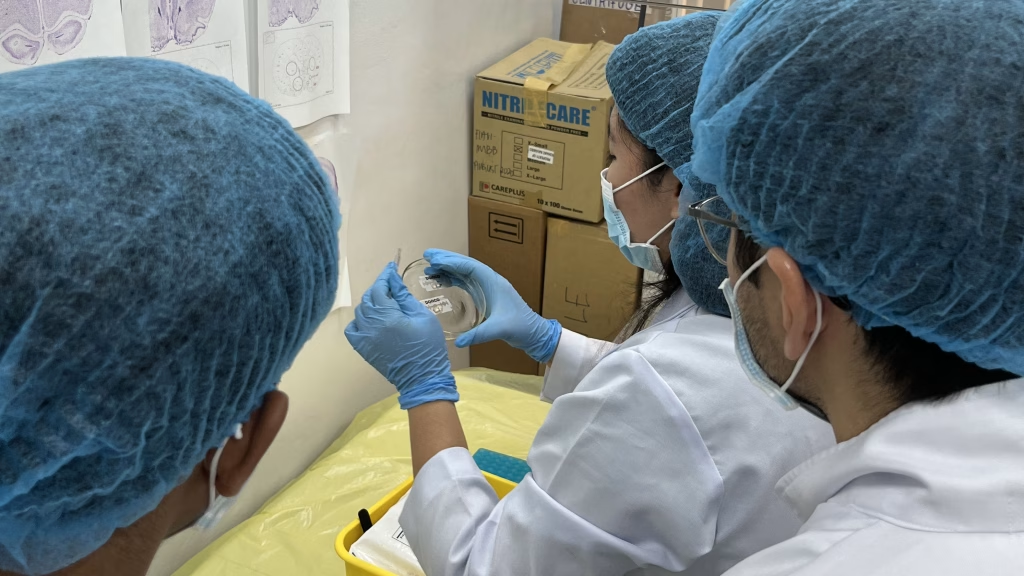
Project technical specialists from the depression project perform standardized harvesting and processing of brain and gut tissues from Sprague-Dawley rats for histological, molecular, and microbiota analyses.